
Holding the world's most powerful chip architecture! Yet unable to manufacture a single chip domestically: The UK's semiconductor predicament
According to a report by Digitimes on November 12, the UK is facing an awkward structural contradiction in the AI wave: it has nurtured ARM, the world's most influential chip architecture, but has almost no domestic large-scale manufacturing of advanced processors.
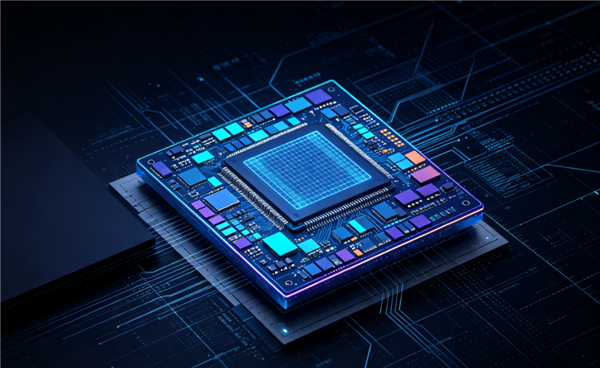
The strengths of the UK semiconductor industry are highly concentrated in the design and R&D stages. Statistical data shows that approximately 60% of the specialized semiconductor companies in the UK primarily engage in R&D, design, and intellectual property activities. Cambridge, where ARM is headquartered, is a global hub for chip design. However, this "light manufacturing" structure is revealing a fatal weakness in the AI computing power race.
The training and inference of large AI models are highly dependent on advanced process chips, and this market is dominated by a small number of overseas wafer fabs. The UK has top-tier chip design talent, but lacks the domestic capacity to turn designs into mass production. British companies often find it difficult to cross the "valley of death" between laboratory prototypes and commercial products on their own.
To bridge this gap, the UK government has launched an AI hardware program and pledged £1.1 billion to support the development of chip companies. Part of the funding is being used to procure new chips produced by domestic companies in advance, in an attempt to help startups scale up by creating early demand.
However, it is widely believed in the industry that it is difficult to build an advanced wafer fab in the short term by relying on financial subsidies.
Capital is betting on a breakthrough on the design side. Fractile, a UK-based AI chip startup, recently secured $720 million in funding, reaching a valuation of $7 billion. Investors include the UK Sovereign AI Fund.
The company focuses on AI inference chips and plans to launch its first commercial product next year. The path for companies like this is clear: since they can't compete on manufacturing scale, they build differentiated advantages in specific architectures and energy efficiency.
However, the boom in design cannot fully compensate for the lack of manufacturing. The real question that the UK semiconductor industry needs to answer is whether a country that only designs and does not mass-produce can maintain its technological sovereignty and industry influence in an era when AI hardware is increasingly becoming a national strategic capability.

Source: MyDrivers (Fast Technology). Content is presented with source attribution. Read the original report.
Back to News