
700,000 tablets per month! Musk fab capacity exposure: equal to Samsung's total DRAM capacity
According to reports, Musk's Tesla and SpaceX jointly promoted the Terafab fab project, and its long-term production capacity goal has gradually become clear: the monthly production of about 700,000 wafers, which is roughly equivalent to the current monthly DRAM production capacity of Samsung Electronics.
This means that if Terafab lands as planned, Musk will cut directly into the core hinterland of memory chips around the world.
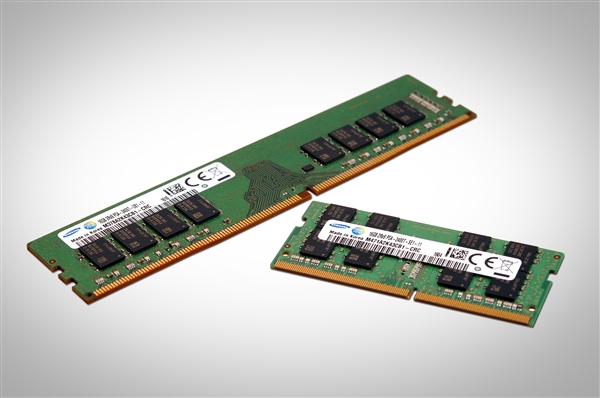
As of the second quarter of 2026, Samsung ranked first in the global DRAM market with a 39% share, SK Hynix and Micron accounted for 26% and 25% respectively, and the three companies together monopolized about 90% of the supply. Once the capacity of Terafab is realized, it will tear apart the existing pattern.
Musk's motives aren't complicated: he can't buy enough memory chips. On SpaceX's earnings call, he gave a set of comparisons: storage capacity is growing by about 20% a year, but demand is growing by 200% or more a year. In his logic, supply is far short of demand, and prices will only continue to rise. Rather than waiting in the queue, it is better to make it yourself.
Terafab's positioning confirms this. Recruitment information shows that Tesla has listed "Storage Process Integration Engineer" as a key position, which covers the entire process of DRAM cell process from early concept to mass production.
Investor Gervin Baker's interpretation is more direct: Musk has given DRAM the highest priority in the Terafab project.
In terms of timeline, Terafab plans to achieve volume production in the third quarter of 2028, and the first SRAM test chip will be produced in Austin in May and June next year.
Musk himself admitted that the timeline was “very aggressive.” From the production of 700,000 pieces per month against Samsung, to the mass production node in 2028, Terafab's ambitions are already on the table, but the realization path still needs time to be verified.

Source: MyDrivers (Fast Technology). Content is presented with source attribution. Read the original report.
Back to News